Implementing a structured bird control strategy helps protect workers, equipment, and compliance standards across mining operations.
Why bird activity is a serious risk in mining environments
Birds are naturally drawn to large industrial sites. Mining operations provide shelter, warmth, and food sources that attract and sustain large flock populations. Left unmanaged, this creates multiple operational risks:
- Worker health and safety: Bird droppings carry harmful bacteria and pathogens, creating hygiene and health risks for on-site personnel
- Equipment damage: Droppings are highly corrosive and can accelerate the deterioration of conveyor systems, electrical components, and structural infrastructure
- Contamination of materials: Bird activity near ore stockpiles, processing areas, and storage facilities can compromise material integrity
- Blocked drainage and ventilation systems: Nesting materials accumulate in drainage points and ventilation shafts, causing blockages and increasing maintenance demands
- Safety hazards: Slippery surfaces caused by droppings in walkways and access areas increase the risk of workplace accidents
In an environment where safety and compliance are paramount, these risks require a proactive and structured response.
High-risk areas in mining operations
Certain areas on mining sites are particularly vulnerable to bird activity:
- Conveyor belt systems and transfer points
- Processing plants and ore handling facilities
- Electrical substations and control rooms
- Structural steelwork, beams, and elevated platforms
- Stockpile areas and bulk storage facilities
- Ablution facilities and worker accommodation areas
- Mine offices and administration buildings
These areas provide ideal roosting, nesting, and feeding conditions for pigeons and other pest bird species.

Flock Reduction Program as the foundation
On large mining sites with well-established pigeon populations, a Flock Reduction Program forms the essential first step in any bird management strategy.
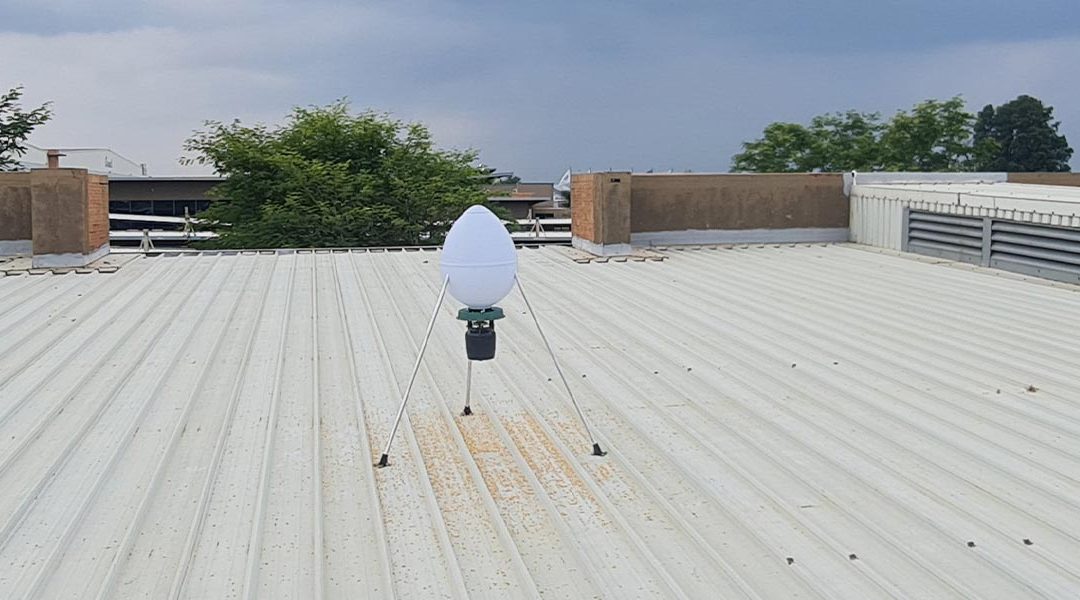
This program uses a controlled conditioning method – a specialised oral contraceptive feed system – delivered through automated Flock Reducer units placed strategically across the site. These units dispense a measured daily feed that is consumed by the existing pigeon population.
Over time, this approach:
- Stabilises and gradually reduces flock size across the site
- Limits conditions that encourage new birds to establish on-site
- Reduces population pressure ahead of physical exclusion installations
This is particularly effective in mining environments due to the large scale of operations, the size of established pigeon populations, and the complexity of fully excluding birds from expansive industrial sites immediately.
Effective bird control solutions for mining environments
A successful bird control program for mining operations requires a layered, site-specific approach:
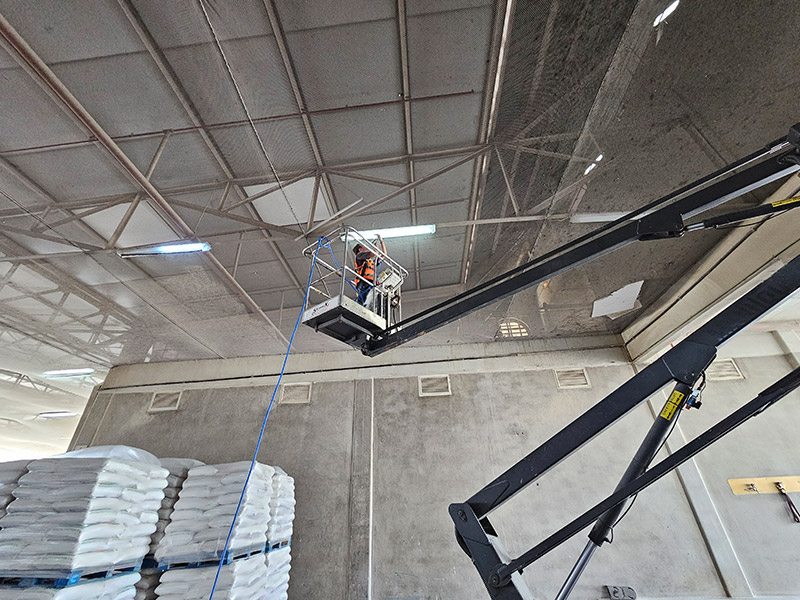
- Bird Netting – Installed to restrict bird access to processing plants, conveyor transfer points, electrical rooms, and structural openings. Bird netting provides a durable physical barrier suited to the harsh conditions found in mining environments.
- Bird Spikes – Applied to structural steelwork, beams, ledges, and elevated platforms to prevent landing and roosting in critical operational areas — without causing harm to birds.
- Bird Mesh and Nest Removal – Removes existing nesting material from drainage points, ventilation systems, and structural cavities, preventing blockages and reducing recurring infestation activity.
- Targeted Deterrents – Used across open areas of the site to discourage bird congregation near stockpiles, processing facilities, and worker areas without disrupting mining operations.
Supporting safety and compliance on-site
Mining operations are subject to strict occupational health and safety regulations. Uncontrolled bird activity can contribute to:
- Workplace health risks for on-site personnel
- Increased equipment maintenance and downtime
- Safety incidents caused by contaminated or slippery surfaces
- Compliance failures during health and safety inspections
A structured bird control program supports a safer working environment and helps operations maintain compliance with relevant industry standards.
The importance of ongoing monitoring
Mining sites are dynamic environments – operations expand, infrastructure changes, and bird activity patterns shift over time. Bird control is not a once-off intervention.
Regular inspections and maintenance ensure that netting, spikes, and deterrent systems remain effective. Ongoing monitoring allows the program to adapt as site conditions evolve, keeping control measures relevant and operational at all times.
Final word
Mining operations cannot afford to overlook the risks associated with unmanaged bird activity. A structured approach – combining a Flock Reduction Program, bird netting, bird spikes, nest removal, and ongoing monitoring – helps protect workers, preserve equipment, and maintain compliance across the site.
Contact Flock Reduction today to arrange a site assessment and implement a tailored bird control program for your mining operation.