Managing bird activity on educational campuses requires a sensitive, humane, and highly effective approach – one that protects people without disrupting the learning environment.
Why bird activity is a concern in educational facilities
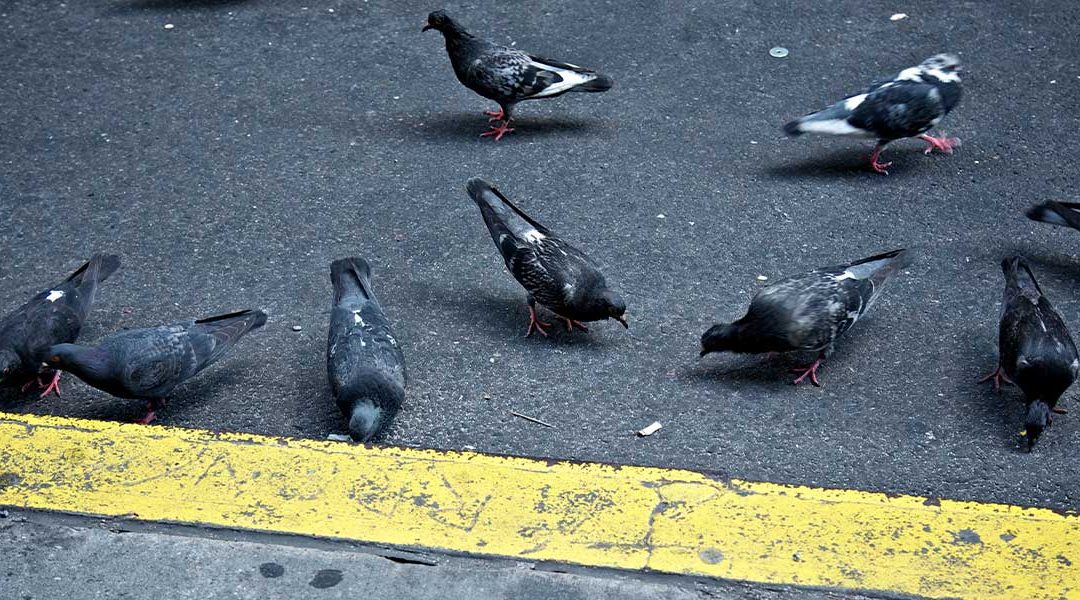
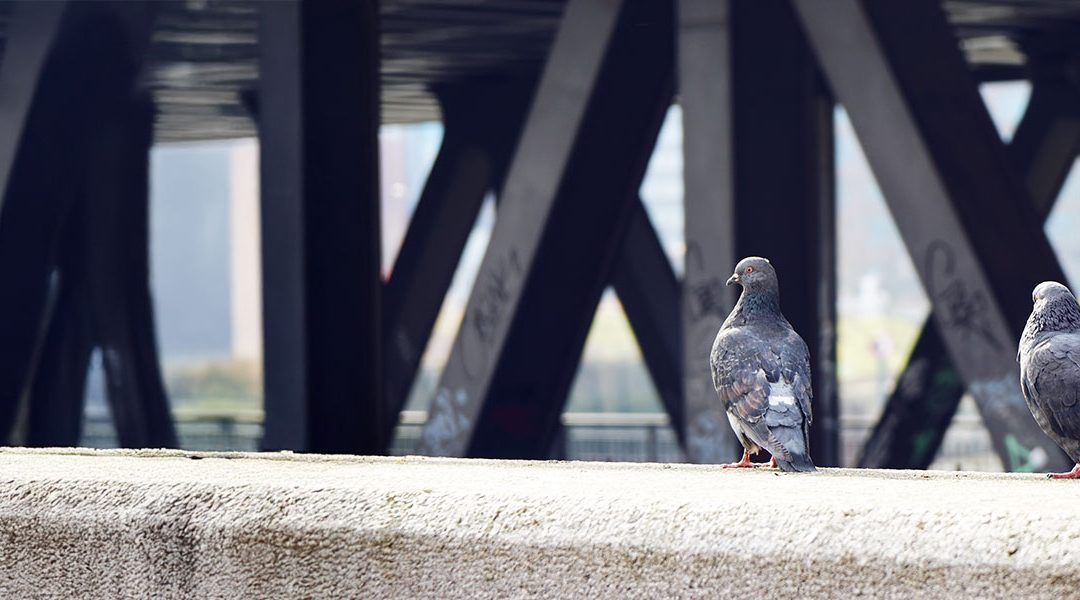
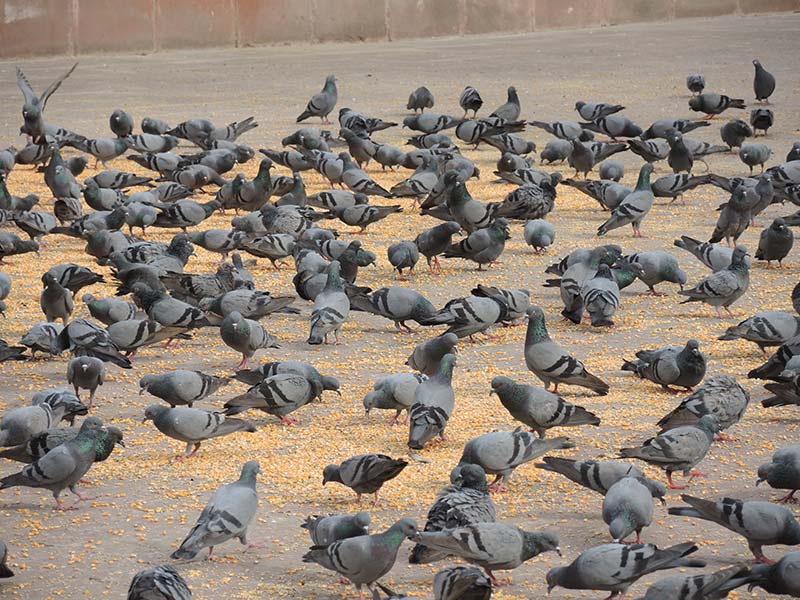
Educational campuses are particularly attractive to birds due to the consistent availability of food waste, open green spaces, and extensive building infrastructure. Left unmanaged, bird activity creates a range of concerns specific to these environments:
- Student and staff health risks: Bird droppings carry harmful bacteria and pathogens that can pose direct health risks in areas where children and young people spend time daily
- Slip and fall hazards: Droppings on walkways, stairs, entrance areas, and sports courts create dangerous surfaces, increasing the risk of accidents
- Food contamination: Canteen areas, outdoor dining spaces, and food preparation zones are highly vulnerable to contamination from bird activity
- Damage to infrastructure: Accumulated droppings corrode roofing, gutters, signage, and building facades, increasing long-term maintenance costs
- Disruption to learning: Noise from large roosting flocks can disrupt classrooms and outdoor learning activities
In environments that serve children and young people, these risks require careful and consistent management.
High-risk areas on educational campuses
Certain areas within schools and universities are especially vulnerable:
- Canteen and outdoor dining areas
- Covered walkways, entrance canopies, and corridors
- Rooftops, gutters, and drainage systems
- Sports courts, fields, and spectator stands
- Lecture halls, administration buildings, and libraries
- Residence halls and student accommodation
These areas provide consistent food sources, shelter, and roosting opportunities that sustain and grow bird populations over time.
Flock Reduction Program as the foundation
Where established pigeon populations are present on campus, a Flock Reduction Program forms the critical first step in a structured bird management strategy.
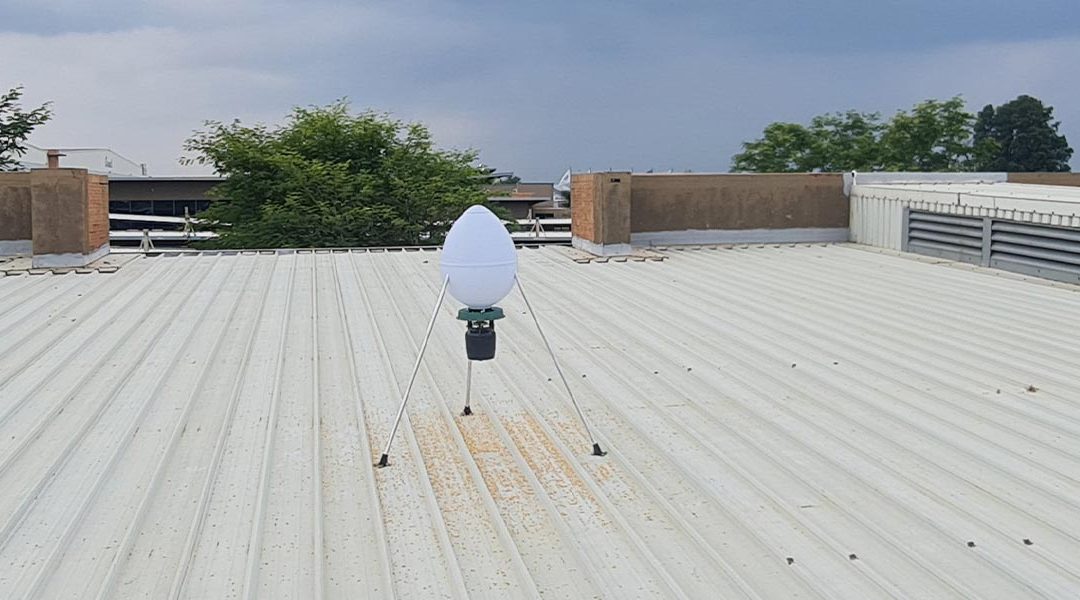
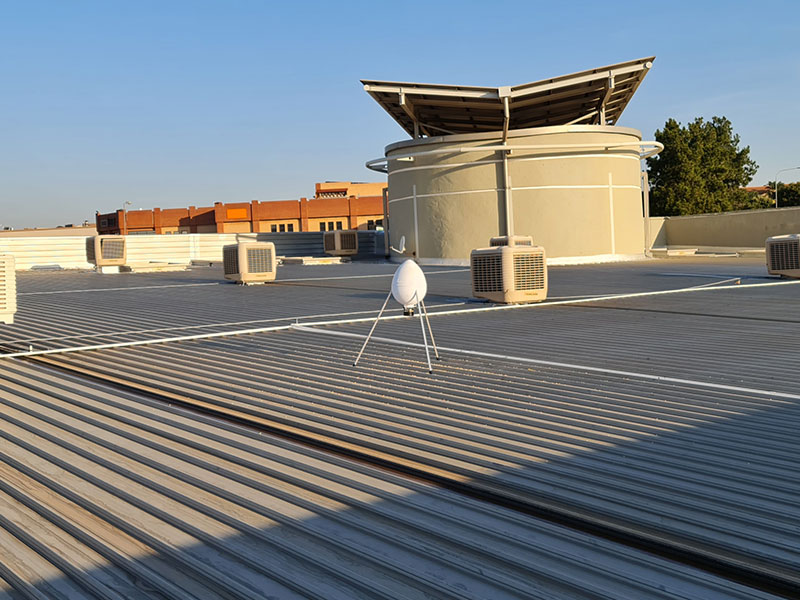
This program uses a controlled conditioning method – a specialised oral contraceptive feed system – delivered through automated Flock Reducer units placed in strategic locations across the campus. These units dispense a measured daily feed consumed by the existing pigeon population.
Over time, this approach:
- Stabilises and gradually reduces flock size across the campus
- Limits conditions that encourage new birds to establish on-site
- Creates a manageable baseline for further physical exclusion methods
This is a particularly well-suited solution for educational environments, as it is humane, unobtrusive, and does not interfere with daily campus activity.
Effective bird control solutions for educational environments
A tailored, multi-method approach ensures effective and lasting results:
- Bird Netting
Installed to restrict bird access to canteen areas, covered walkways, rooftops, and building openings. Bird netting provides a discreet and effective physical barrier that does not detract from the appearance of the campus environment. - Bird Spikes
Applied to ledges, canopies, signage, and building facades to prevent landing and roosting in high-traffic areas – without causing harm to birds. - Bird Mesh and Nest Removal
Removes existing nesting material from gutters, drainage systems, and roof spaces, preventing blockages and reducing the ongoing presence of mites and parasites in areas frequented by students and staff. - Targeted Deterrents
Used in outdoor dining areas, sports facilities, and open courtyards to discourage bird congregation without disrupting campus life or causing distress to students.
Protecting health, safety, and duty of care
Schools and universities carry a legal and ethical duty of care towards their students and staff. Uncontrolled bird activity can contribute to:
- Health and hygiene risks in areas used daily by children and young people
- Slip and fall incidents on contaminated surfaces
- Failed health and safety inspections
- Increased reactive maintenance and cleaning costs
- Reputational concerns for the institution
A proactive bird control program demonstrates a commitment to providing a safe and well-maintained learning environment.
The importance of ongoing monitoring
Campus environments are dynamic – student populations change, new buildings are constructed, and bird activity patterns shift with the seasons. Bird control is not a once-off solution.
Regular inspections and maintenance ensure that systems remain effective throughout the academic year. A proactive monitoring schedule allows potential issues to be identified and addressed before they impact students, staff, or campus operations.
Final word
Educational institutions have a responsibility to provide safe, clean, and welcoming environments for their students and staff. Professional bird control solutions – including a Flock Reduction Program, bird netting, bird spikes, and targeted deterrents – help campuses maintain high standards of hygiene, safety, and presentation throughout the year.
Contact Flock Reduction today to arrange a site assessment and implement a tailored bird control program for your school or university.