A structured bird control program helps protect essential equipment, reduce operational risk, and maintain the high safety standards required in power generation environments.
Why bird activity poses a unique risk in power plants
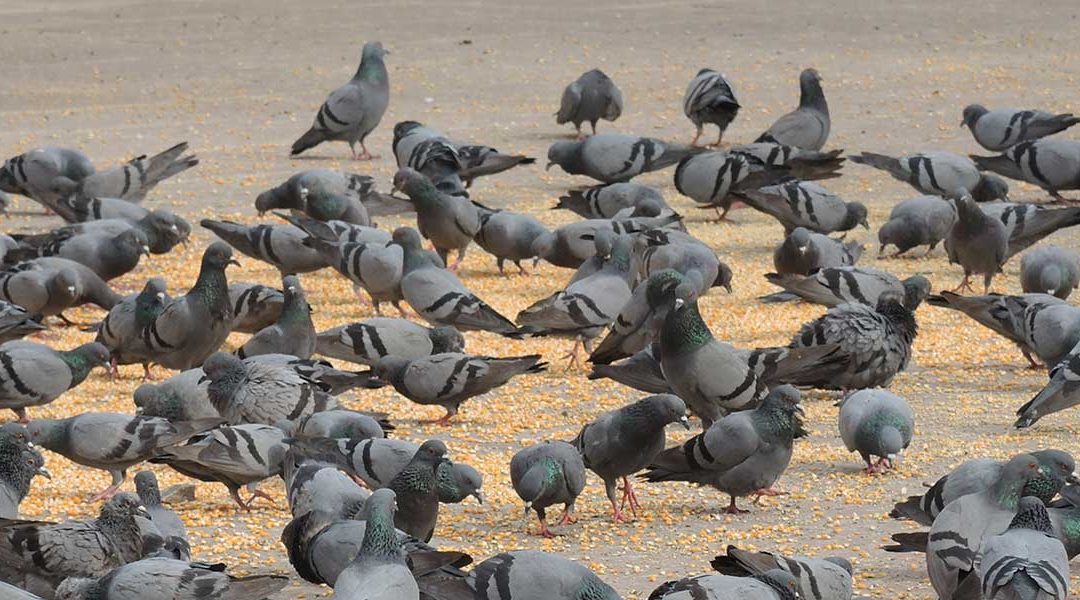
Power plants present an ideal environment for birds – elevated structures, warmth from operational equipment, and vast roofing and steelwork provide perfect roosting and nesting conditions. The consequences of unmanaged bird activity in this environment, however, are far more serious than in most industries:
- Electrical faults and outages: Birds nesting near high-voltage equipment, transformers, and switchgear can cause short circuits, electrical faults, and unplanned outages
- Fire hazards: Dry nesting materials accumulated near heat sources and electrical installations create a serious and ongoing fire risk
- Equipment corrosion: Bird droppings are highly acidic and accelerate the deterioration of turbines, cooling systems, structural steelwork, and electrical components
- Blocked cooling systems: Nesting debris and feathers can block cooling tower intakes and ventilation systems, reducing operational efficiency and increasing the risk of overheating
- Worker health and safety: Droppings and nesting materials carry harmful bacteria and pathogens that pose health risks to maintenance and operational personnel
In a facility where a single failure can affect thousands of people, these risks cannot be left unaddressed.
High-risk areas in power plants
Certain areas within power generation facilities are particularly vulnerable to bird activity:
- Transformer yards and high-voltage switchgear
- Cooling towers and ventilation intakes
- Turbine halls and generator buildings
- Structural steelwork, elevated platforms, and cable trays
- Control rooms and administration buildings
- Substations and transmission infrastructure
These areas offer warmth, shelter, and elevated vantage points that attract and sustain large bird populations over time.
Flock Reduction Program as the foundation
On large power plant sites with established pigeon populations, a Flock Reduction Program forms the essential first step in any bird management strategy.
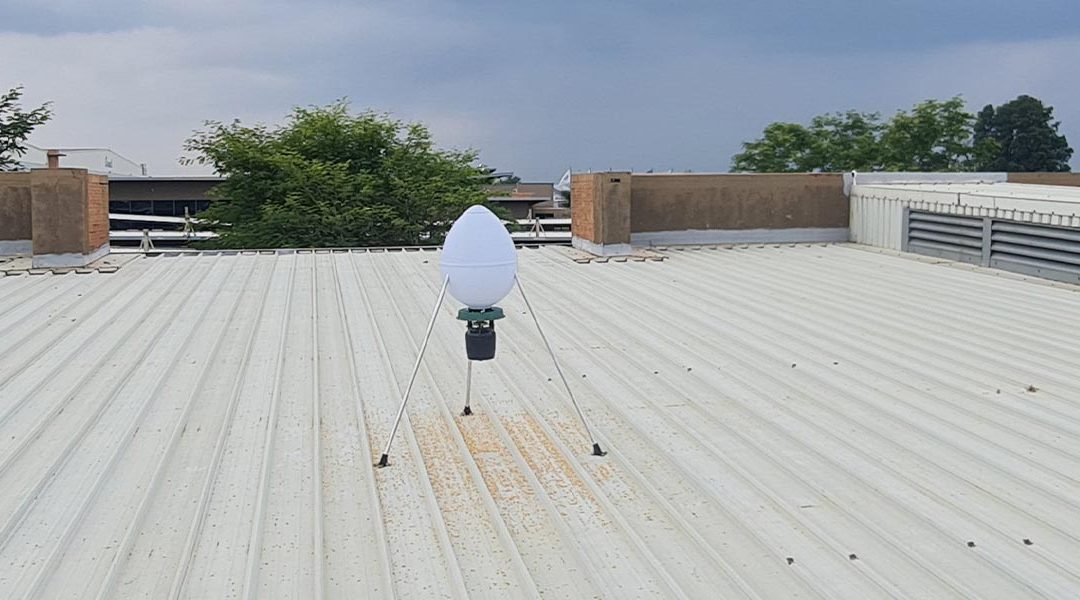
This program uses a controlled conditioning method – a specialised oral contraceptive feed system – delivered through automated Flock Reducer units positioned strategically across the site. These units dispense a measured daily feed consumed by the existing pigeon population.
Over time, this approach:
- Stabilises and gradually reduces flock size across the facility
- Limits conditions that encourage new birds to establish on-site
- Reduces population pressure ahead of physical exclusion installations
Given the scale and complexity of power plant environments, this program provides a controlled and practical starting point before physical exclusion methods are deployed.
Effective bird control solutions for power plants
A successful program requires a layered, site-specific approach designed around the unique risks of power generation infrastructure:
- Bird Netting
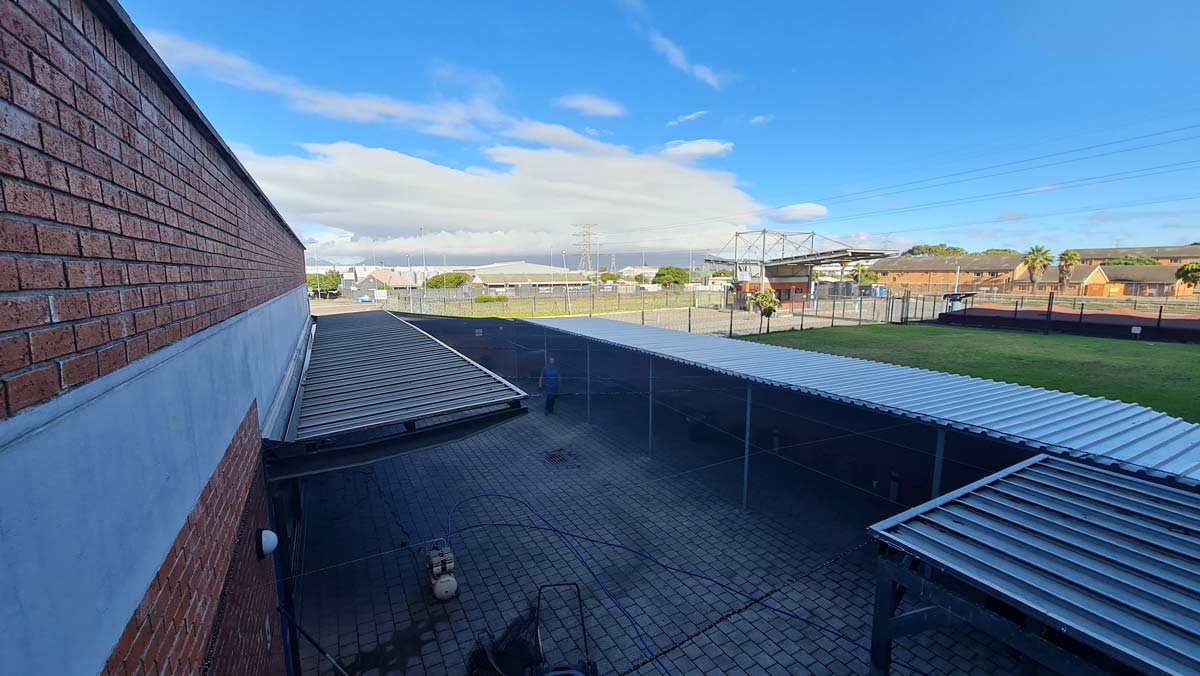
Installed to restrict bird access to turbine halls, cooling tower structures, transformer yards, and building openings. Bird netting provides a durable physical barrier that withstands the demanding environmental conditions found in power plant settings. - Bird Spikes
Applied to structural steelwork, cable trays, elevated platforms, and equipment housings to prevent landing and roosting in critical operational zones – without causing harm to birds. - Bird Mesh and Nest Removal
Removes existing nesting material from cooling system intakes, ventilation units, cable runs, and structural cavities – reducing fire risk, preventing blockages, and improving overall operational safety. - Targeted Deterrents
Used across open areas of the facility to discourage bird congregation near high-risk infrastructure without disrupting plant operations or maintenance schedules.

Supporting safety, compliance, and operational continuity
Power plants are subject to strict occupational health, safety, and environmental regulations. Uncontrolled bird activity can directly impact:
- Operational continuity through electrical faults and equipment failures
- Fire safety compliance where nesting materials accumulate near heat sources
- Worker health and safety during maintenance operations
- Regulatory compliance during health, safety, and environmental audits
A structured bird control program supports uninterrupted operations and helps facilities maintain compliance with the stringent standards required in the power generation sector.
The importance of ongoing monitoring
Power plant environments are complex, and bird activity patterns change with seasons and site conditions. Bird control is not a once-off intervention.
Regular inspections and maintenance ensure that netting, spikes, and deterrent systems remain effective and intact. Ongoing monitoring allows the program to adapt as the facility evolves, ensuring protection remains consistent across all high-risk areas at all times.
Final word
Power plants cannot afford the risks associated with unmanaged bird activity. A structured approach – combining a Flock Reduction Program, bird netting, bird spikes, nest removal, and ongoing monitoring – helps protect critical infrastructure, reduce the risk of costly failures, and maintain the safety and compliance standards essential to power generation operations.
Contact Flock Reduction today to arrange a site assessment and implement a tailored bird control program for your power plant.