Implementing structured bird proofing measures is essential to protect production areas and maintain strict hygiene standards.
Why bird activity cannot be ignored
Birds introduce multiple contamination risks into food facilities:
- Droppings and feathers can compromise production areas
- Nest debris can accumulate in sensitive zones
- Mites and parasites can spread through the facility
- Birds often return to established roosting locations
Without intervention, these risks tend to escalate over time and become harder to manage.

How bird proofing supports controlled environments
Bird proofing focuses on restricting access, reducing attraction factors, and stabilising bird activity on-site. This approach helps:
- Maintain cleaner and more controlled environments
- Reduce reactive cleaning demands
- Support hygiene compliance requirements
- Protect equipment, stock, and infrastructure
It is a structured, long-term approach that focuses on managing the root cause of infestation.
Flock Reduction Program as the foundation
In many food production environments, the first step is a Flock Reduction Program.
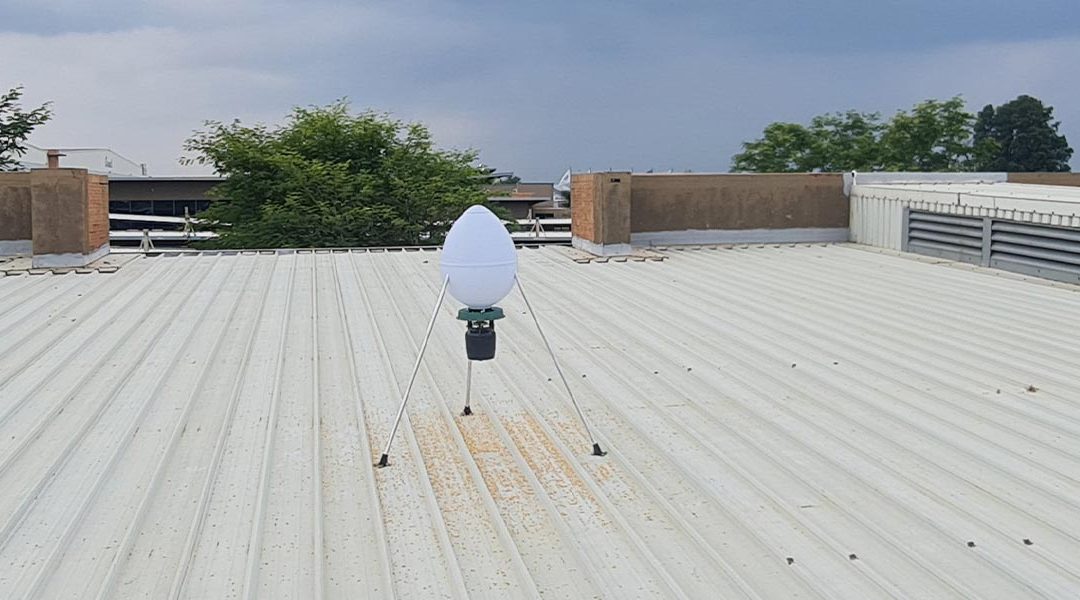
This program uses controlled conditioning methods, including a specialised oral contraceptive feed system, delivered through automated Flock Reducer units. These units dispense a measured daily feed that is consumed by existing pigeon populations.
Over time, this approach helps to stabilise and gradually reduce flock size within the area, while limiting conditions that encourage new birds to settle.
The system is particularly effective in:
- High-density industrial environments
- Sites with long-established pigeon populations
- Facilities where immediate exclusion is not practical
This forms the entry point into a broader bird management strategy.
Integrated bird management methods for high-risk areas
A successful program uses multiple coordinated methods:
Bird netting
Installed to restrict access to sensitive production zones, storage areas, and structural openings. It provides a physical barrier while maintaining operational functionality.
Bird spikes
Applied to ledges, beams, and structural surfaces to prevent landing and roosting in key high-risk zones.
Bird mesh and nest removal
Used to remove existing nesting material and prevent re-establishment in affected areas, supporting ongoing hygiene control.


Managing pigeon activity in food facilities
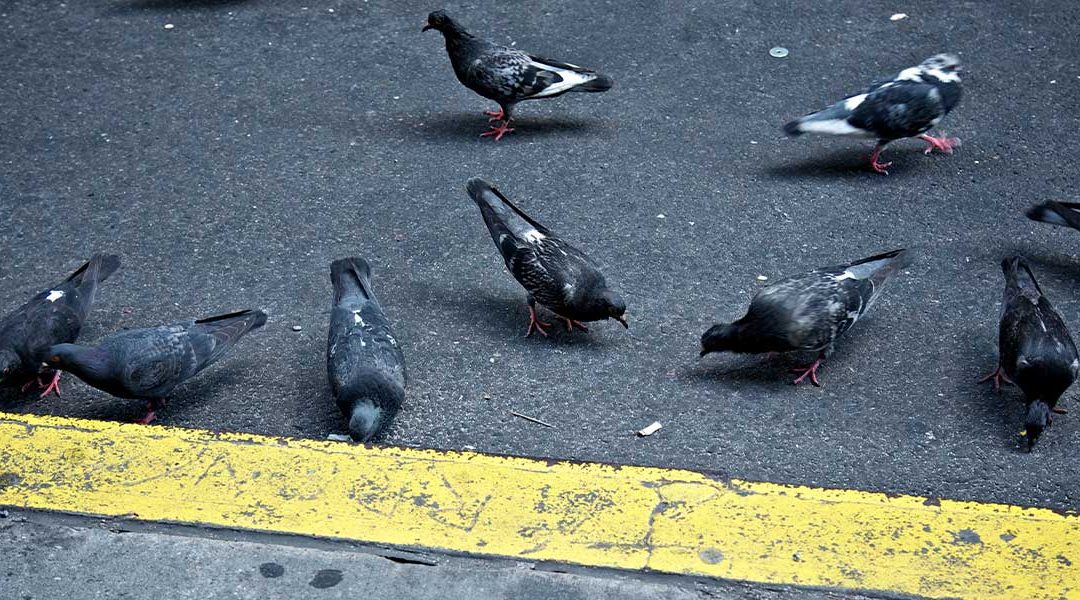
Pigeons remain one of the most persistent challenges in industrial environments. A structured Flock Reduction Program, combined with physical exclusion methods, helps:
- Reduce recurring nesting activity
- Lower contamination risks
- Improve control over loading bays and roof spaces
This ensures a more stable and manageable environment over time.
Why a combined program approach is essential
No single method delivers complete control. The most effective results come from a layered strategy:
- Flock Reduction Program (oral contraceptive feed system) to gradually manage and reduce population pressure through controlled, daily conditioned feeding using automated Flock Reducer units
- Bird netting for exclusion
- Bird spikes for landing control
- Nest removal and maintenance interventions
- Ongoing monitoring and reporting
This holistic approach allows conditions on-site to be managed progressively and sustainably.
Final word
Maintaining hygiene in food processing facilities requires a structured and ongoing strategy. Through a combination of a Flock Reduction Program, controlled feed systems, bird netting, bird spikes, and ongoing maintenance, facilities can significantly reduce contamination risks and maintain compliant operations.
Contact Flock Reduction today to arrange a site assessment and implement a tailored Flock Reduction Program for your facility.